How to Troubleshoot Common Issues with Hub Flanges
Understanding Hub Flanges and Their Importance
What is a Hub Flange?
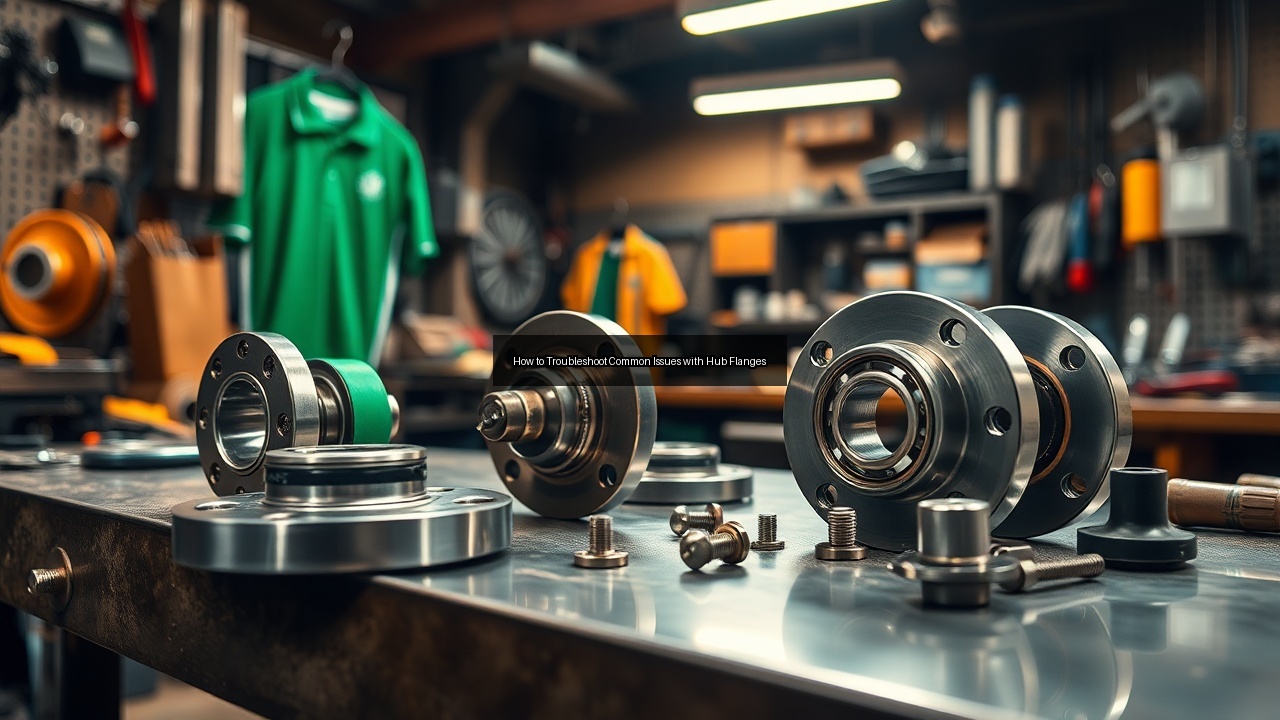
A hub flange serves as a crucial connection point in various mechanical systems, typically found in wheel assemblies and machinery. This component connects the wheel to the axle, enabling efficient transfer of power and motion. Hub flanges provide structural support while accommodating rotational movement, ensuring stability and performance. Depending on the application, flanges may vary in size and design, but their fundamental role remains consistent across different systems. Understanding hub flanges' functionality is essential for anyone involved in maintenance or assembly, as these components directly impact overall performance.
The Role of Flange Ball Bearings in Hub Flanges
Flange ball bearings play a vital role in the operation of hub flanges. These bearings facilitate smooth rotational motion, reducing friction and wear between moving parts. By allowing the axle to spin freely within the hub, flange ball bearings enhance performance and prolong the lifespan of both the flange and the wheel assembly. Properly functioning ball bearings contribute to improved load distribution, ensuring that weight is balanced and reducing the risk of premature failure. In applications such as cycling, where performance is key, the quality of flange ball bearings can significantly affect the rider's experience, whether on the roads of Bordeaux or during the Tour de France Femmes.
Common Materials Used for Flanges
Manufacturers typically use various materials to construct hub flanges, each offering distinct advantages. Steel is among the most popular choices due to its strength and durability. Stainless steel variants resist corrosion, making them ideal for wet or harsh environments. Aluminum flanges are lightweight and suitable for applications where reducing weight is crucial, such as in competitive cycling gear like the green jersey. Composite materials are also emerging, providing a balance between weight and strength while offering resistance to wear and tear. Selecting the right material for your flanges ensures optimal performance and longevity, critical for maintaining the integrity of the entire assembly.
Identifying Common Issues with Hub Flanges
Signs of Wear and Tear on Flanges
Recognizing the signs of wear and tear on hub flanges is essential for preventing severe issues down the line. Common indicators include visible cracks, deformation, or rust that signal structural compromise. Additionally, unusual noises during operation, such as grinding or rattling, may indicate that the flange has experienced damage. Frequent vibrations while riding or operating machinery also point to potential flange issues. Regular inspection can help identify these problems early, allowing for timely intervention. Riders like Tom Pidcock, who rely on their gear's performance, understand that failing to address these signs can lead to unexpected breakdowns, impacting both performance and safety.
How to Spot Problems with Ball Bearings
Problems with ball bearings often manifest through specific symptoms. A common sign is increased resistance when spinning the wheel, which indicates friction between the bearing and the hub. Additionally, if you notice any play or looseness in the wheel assembly, this could mean that the bearings are degrading. If you find that the wheel doesn't spin freely or emits a grinding noise, this may signal worn-out ball bearings. Regularly checking the bearings during routine maintenance can prevent larger issues from arising. Whether on a casual ride or during a competitive event, ensuring the integrity of the ball bearings is crucial for safety and performance.
Impact of Set Screws on Flange Performance
Set screws play a significant role in maintaining the integrity of hub flanges. These screws secure the flange flange hub to the axle, preventing it from loosening during operation. If set screws become loose or stripped, the flange may misalign, leading to uneven wear on bearings and potential failure. Regularly inspecting and tightening set screws can prevent these issues. In high-stress environments, such as competitive cycling or heavy machinery applications, ensuring that set screws are properly adjusted is vital. A simple oversight can lead to costly repairs or downtime, highlighting the importance of routine maintenance in any mechanical system.
Troubleshooting Techniques for Hub Flange Issues
Step-by-Step Guide to Inspecting Hub Flanges
Performing a thorough inspection of hub flanges is essential for identifying issues early. Begin by visually assessing the flange for any signs of wear, such as cracks or rust. Next, check the alignment of the flange with the axle; misalignment can lead to performance problems. Spin the wheel to evaluate the smoothness of motion and listen for any unusual sounds that may indicate bearing issues. Finally, inspect the set screws for tightness and integrity. By following this step-by-step guide, you can effectively troubleshoot potential problems before they escalate, ensuring optimal performance and safety during use.
Repairing or Replacing Damaged Bearings
When you identify damaged bearings, prompt action is necessary. Begin by disassembling the hub to access the bearings. Carefully remove the old bearings, taking care not to damage the flange or surrounding components. Clean the area thoroughly to eliminate any debris or rust. Once prepared, install new ball bearings that meet the specifications of your application. Ensure they fit snugly within the flange and rotate smoothly. If the flange itself shows signs of significant wear, consider replacing it to avoid further complications. Regular replacement of bearings not only enhances performance but also extends the lifespan of the entire assembly.
Adjusting Set Screws for Optimal Performance
Adjusting set screws is a straightforward yet critical process for maintaining flange performance. Begin by loosening the existing set screws and repositioning the flange as needed to achieve proper alignment. Once aligned, retighten the set screws securely, ensuring they are not stripped. For added security, consider applying thread-locking adhesive to prevent loosening during operation. Regularly check the tightness of set screws, especially after intense use, such as during competitive events like the Tour de France Femmes. Properly adjusted set screws ensure that the flange remains securely attached, minimizing the risk of failure during operation.
Preventative Maintenance and Best Practices
Routine Inspection Schedule for Flanged Hubs
Implementing a routine inspection schedule for flanged hubs plays a vital role in maintaining their functionality. Depending on usage, inspect the flanges and bearings at least once a month. In high-stress environments, such as competitive cycling or heavy machinery operation, increase the frequency to bi-weekly or even weekly. During inspections, check for signs of wear, misalignment, and the condition of set screws. Keeping a maintenance log allows you to track issues and improvements over time. This proactive approach not only enhances performance but also reduces the risk of unexpected breakdowns, ensuring safety and reliability.
Choosing the Right Bushing for Your Application
Selecting the right bushing is critical for optimal performance of hub flanges. Various types of bushings are available, each designed for specific applications. Consider factors such as load capacity, operating environment, and desired friction levels when choosing a bushing. High-performance applications may benefit from specialized materials that reduce friction and wear. Properly fitted bushings enhance the smooth operation of flanged hubs, contributing to overall system efficiency. Investing time in selecting the right bushing can yield significant long-term benefits, ensuring that your equipment performs reliably in all conditions.
Tips for Maintaining Wheel and Flange Integrity
Maintaining wheel and flange integrity requires attention to detail and commitment to regular upkeep. Begin by keeping the components clean and free from debris, which can cause wear and impede performance. Regularly lubricate bearings and bushings to reduce friction and enhance smooth operation. Pay attention to torque specifications when tightening set screws to prevent stripping. Lastly, replace worn or damaged components promptly to maintain system integrity. Whether in competitive cycling or daily use, these tips ensure that your hub flanges and wheels perform optimally, promoting longevity and reliability in any application.