Unlocking the Secrets of Lubricant Grease for Optimal Performance
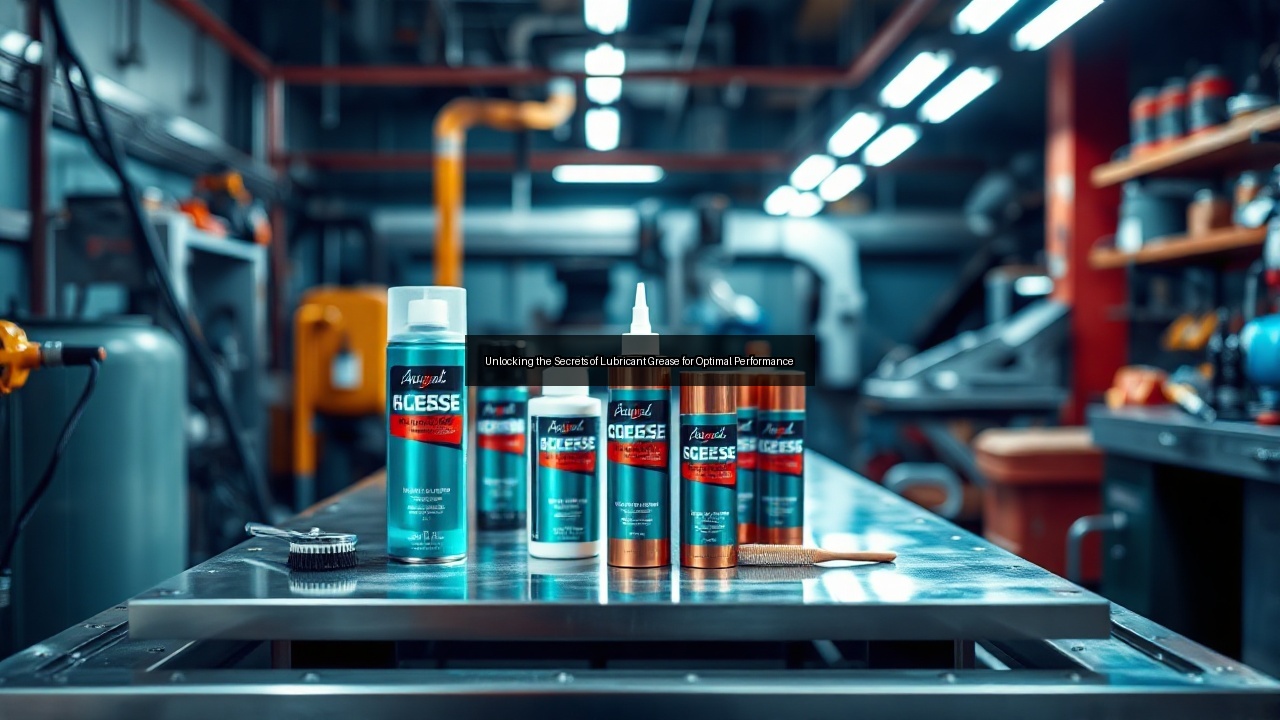
Understanding Lubricant Grease and Its Importance
The Role of Lubricant Grease in Machinery
Lubricant grease serves a crucial role in machinery, acting as a protective barrier between moving components. This thickened lubricant reduces friction, which can lead to wear and tear. Bearings, gears, and hinges benefit from a consistent application of grease, ensuring smooth operation and extending their lifespan. Grease lubricants not only minimize friction but also help to seal out contaminants such as dust, dirt, and moisture that can compromise performance. Whether in industrial settings or everyday machinery, the right lubricant grease is essential for the reliable operation of equipment.
Differences Between Lubricating Oil and Grease
Understanding the differences between lubricating oil and grease is vital for selecting the appropriate product for your needs. Lubricating oil is fluid and flows freely, making it suitable for applications requiring greases formulated to protect industrial equipment constant circulation and cooling. In contrast, lubricant grease has a thicker consistency, which allows it to stay in place and provide long-lasting protection, especially in high-load or high-temperature environments. Grease is often favored in scenarios where oil would drain away, rendering it ineffective. Knowing when to use grease versus oil can significantly impact the efficiency and longevity of machinery.
Why Choosing the Right Grease Matters
Selecting the right lubricant grease is critical for optimal machinery performance. Each grease formulation is designed for specific applications, taking into consideration factors such as temperature, moisture exposure, and load conditions. For example, lithium grease offers excellent versatility and performance in a variety of environments, while silicone grease lubricant excels in extreme conditions where temperature stability and water resistance are paramount. The wrong choice can lead to equipment failure, increased maintenance costs, and reduced efficiency. Thus, understanding the unique needs of your machinery and the properties of various greases ensures better protection and performance.
Types of Lubricant Grease: Selecting the Right One for Your Needs
Lithium Grease: Versatility and Performance
Lithium grease stands out as one of the most versatile lubricant greases available. It performs exceptionally well across a broad range of temperatures and has excellent water resistance. This makes lithium grease suitable for various applications, from automotive to industrial use. Its ability to reduce wear and friction makes it a popular choice for wheel bearings, gears, and other moving parts. Available in different container sizes, such as 1lb and 14oz tubes, lithium grease is easy to apply, whether using a brush or aerosol can. Its reliable performance ensures that machinery runs smoothly, minimizing downtime and maintenance.
Silicone Grease Lubricant: Ideal for Extreme Conditions
For applications exposed to extreme temperatures or harsh environments, silicone grease lubricant provides a superior solution. This type of grease offers excellent thermal stability and water resistance, making it ideal for high-moisture operations. Silicone grease is also chemically inert, meaning it won’t react with other materials, which is particularly important in sensitive applications such as food processing or automotive use. Its versatility extends to lubricating plastic gears and O-rings, where traditional greases may cause swelling or degradation. By using silicone grease, users ensure long-lasting protection and reduced friction in demanding conditions.
Specialty Greases: Marine, Food-Grade, and More
Specialty greases cater to specific requirements across various industries. Marine grease, for instance, provides exceptional protection for components exposed to saltwater and corrosion, ensuring that boats and trailers operate smoothly. Food-grade grease is formulated to meet stringent safety standards, making it safe for use in food processing environments where accidental contact with food may occur. Other specialty greases include those designed for agricultural machinery and heavy-duty applications, which require formulations that can withstand extreme pressure and wear. Choosing the right specialty grease ensures compliance and optimal performance tailored to unique operating conditions.
Optimizing Performance with Proper Lubrication Techniques
Application Methods: Brush, Straw, and Aerosol
Effective lubrication depends on the correct application method. Grease can be applied using various tools, including brushes, straws, and aerosol cans. A brush allows for precise application, making it ideal for small components and intricate areas. Straws provide a targeted approach, ensuring that grease reaches hard-to-access spots, such as the inner workings of a tool or machine. Aerosol grease lubricants offer convenience and ease of use, allowing users to cover large areas quickly and efficiently. Each method has its advantages, and selecting the right application technique can enhance the performance and longevity of the lubricant grease.
Understanding Temperature and Water Resistance
Temperature and water resistance are critical factors when choosing lubricant grease. High temperatures can cause grease to break down, reducing its protective capabilities and leading to increased wear. Conversely, low temperatures may cause grease to thicken, hindering its performance. Selecting a grease with a suitable temperature range ensures optimal functionality. Additionally, water resistance is essential for components exposed to moisture. Greases that can withstand water penetration provide better protection against rust and corrosion, ultimately extending the life of machinery. Always consider the environmental conditions when selecting a lubricant grease to achieve the best results.
Maintenance Tips for Longer Component Life
Implementing proper maintenance practices significantly extends the life of machinery components. Regular lubrication schedules help ensure that parts receive the necessary grease at the right intervals, reducing wear and preventing failure. Monitoring grease levels and condition is essential; if grease appears contaminated or dried out, it should be replaced immediately. Additionally, using a high-quality grease that matches the machine's specifications enhances performance and reliability. Keeping machinery clean and free from debris also contributes to longer component life. By following these maintenance tips, users can enjoy smoother operation and reduced repair costs.
Industrial Applications of Lubricant Grease
Grease Solutions for Bearings and High-Moisture Operations
In industrial settings, lubricant grease plays a pivotal role in ensuring the reliability of bearings and other components, especially in high-moisture operations. Grease formulated for these environments provides superior protection against corrosion and rust while maintaining its lubricating properties. Bearings subjected to extreme pressure or speed require specialized greases that can withstand these conditions, ensuring smoother operation and preventing costly breakdowns. By selecting the right grease solutions, facilities can enhance uptime and efficiency, reducing the risk of unplanned maintenance and improving overall productivity.
Advanced Thickeners for Severe Operating Conditions
Advanced thickeners in lubricant grease formulations help tackle severe operating conditions where traditional greases may fail. These thickeners enhance the grease's ability to adhere to surfaces under high load and prevent longer component life with the right grease separation, even in extreme temperatures. They also improve the grease's water resistance, ensuring reliable performance in environments subject to moisture and contamination. Industries such as mining, construction, and manufacturing frequently rely on these specialized greases to maintain equipment functionality and minimize wear. By utilizing advanced thickener technologies, businesses can significantly improve their machinery's reliability and service life.
Enhancing Uptime and Efficiency in Industrial Settings
Choosing the right lubricant grease enhances uptime and efficiency in industrial settings. Proper lubrication reduces friction and wear, leading to smoother operation and less frequent maintenance. Industries that prioritize lubrication management experience fewer breakdowns and increased productivity. Grease selection tailored to specific applications, such as those designed for high-temperature or high-pressure environments, ensures optimal performance. Implementing a proactive lubrication strategy not only extends equipment life but also reduces operational costs. By investing in quality lubricant grease, companies can achieve significant improvements in efficiency and reliability across their operations.